Emergency Rubbish Removal in W11 - Fast Response
Posted on 02/06/2026
If you are dealing with a sudden pile-up of waste, a broken-down clear-out, or rubbish that simply cannot wait until next week, you need a calm, fast solution. Emergency rubbish removal in W11 is about getting unwanted items cleared safely, quickly, and with as little disruption as possible. In a busy part of West London, that can mean everything from a last-minute house clearance to bulk rubbish that is blocking a hallway, shopfront, or access route. Nobody wants bags sitting out on the pavement at 7am. Not ideal, to be fair.
This guide explains how fast-response rubbish clearance works in W11, who it suits, what to expect on the day, and how to avoid the common mistakes that slow everything down. You will also find practical tips, a checklist, and a clear comparison of options so you can make a sensible decision without faffing around.
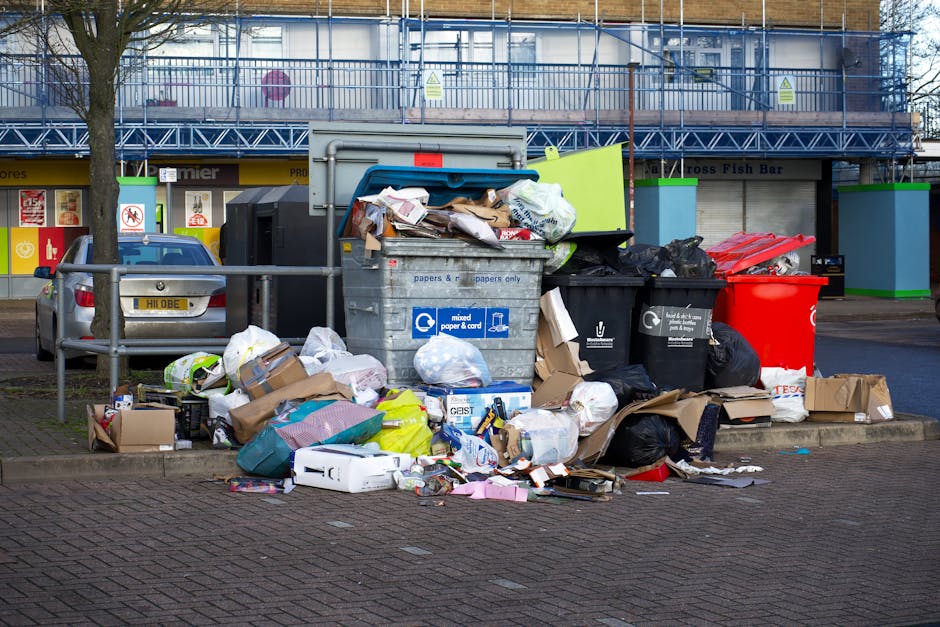
Why Emergency Rubbish Removal in W11 - Fast Response Matters
When rubbish becomes urgent, the problem is rarely just the rubbish itself. It is the knock-on effect. A blocked entrance can stop tradespeople working. A pile of old furniture can make a property unsafe. A late-night office clearance can spill into the next business day. In W11, where roads, parking, and access can be tight, delays quickly become inconvenient.
Fast response matters because waste problems often arrive at the worst possible time: after a move, after a tenant leaves, after a refurbishment, or after an event. Sometimes it is a simple overflow. Sometimes it is a small disaster. Either way, the goal is the same: restore order quickly without creating a second problem in the process.
There is also a reputational side to this. For landlords, shop owners, property managers, and local businesses, visible rubbish can make a place look neglected. If you run a venue or hospitality space, especially around busy local streets, an untidy exterior can set the wrong tone before a customer even walks in. For background reading on the local area and its mix of homes, businesses, and visitor traffic, you may also find the Notting Hill neighbourhood guide useful.
Practical takeaway: emergency clearance is not only about speed. It is about reducing disruption, keeping access clear, and preventing a small waste issue from turning into a bigger operational headache.
Truth be told, rubbish is rarely glamorous. But getting rid of it fast can feel like a very small miracle when the room, driveway, or shop floor is back to normal by the end of the day.
How Emergency Rubbish Removal in W11 - Fast Response Works
Fast-response rubbish removal usually follows a simple process. The exact details can vary, but the structure is generally similar across reputable operators. The more clearly you explain the problem, the quicker the job can be assessed and completed.
1. Initial enquiry and brief assessment
You describe what needs removing, where it is, and how urgent it is. Useful details include the type of waste, approximate volume, access restrictions, and whether there are any items that need special handling. A couple of photos can save a lot of back-and-forth. In fact, they often do.
2. Quotation or estimate
For emergency jobs, the quote may be based on the amount of waste, labour involved, access, and disposal needs. If the waste is mixed or bulky, the team may need to inspect it before confirming the final amount. For general price guidance, you can also review the site's pricing and quotes information.
3. Scheduling the collection
Fast response can mean same-day, next-day, or a highly targeted time slot, depending on capacity and location. In W11, timing matters because parking, loading, and building access can all affect how quickly a team can get in and out. If the waste is outside, ready to load, that is usually much easier. If it is buried in a basement or loft, expect a little more time.
4. On-site loading and removal
The crew arrives, checks the waste, and starts loading. Good teams work methodically, especially in shared entrances, narrow stairways, and busy streets. They will usually separate reusable or recyclable material where possible. If you are dealing with construction debris, it may be worth looking at builders waste disposal in Notting Hill for a more relevant service fit.
5. Disposal, sorting, and clean finish
Once collected, the waste should be transported for proper sorting and disposal. Reputable teams aim to leave the area tidy. That final sweep matters more than people think. Nobody wants to have the rubbish gone but nails, dust, and broken packaging left behind.
For a broader overview of available collections and service types, the services overview is a sensible place to get your bearings.
Key Benefits and Practical Advantages
Emergency clearance is about more than speed, although speed is obviously the star of the show. The real value comes from what speed unlocks: safety, access, continuity, and peace of mind.
- Quick restoration of space: You get your hallway, driveway, office, or garden back without waiting for a scheduled bin day.
- Reduced safety risks: Loose waste, sharp edges, and heavy items can cause trips or injuries.
- Better business continuity: Shops, offices, and rental properties can keep moving without embarrassing clutter in view.
- Less stress during a time-sensitive change: Moves, renovations, end-of-tenancy changes, and post-event clear-ups already create enough pressure.
- Cleaner presentation: A tidy site simply feels better, whether it is a home or a customer-facing space.
There is also a surprisingly practical benefit: speed often reduces the chance of waste being damaged by weather or spread by passers-by. A windy evening can turn a manageable pile into a mess across the pavement. Anyone who has seen cardboard skitter down the street knows the feeling.
If you are coordinating a larger household clear-out, it can help to combine emergency removal with a more structured decluttering plan. The article on home decluttering steps is a useful companion piece for that kind of job.
Who This Is For and When It Makes Sense
Emergency rubbish removal is not for every situation. If you have a few light bags and no time pressure, standard collection may be enough. But when the waste is in the way, attracting complaints, or causing a practical problem, fast response makes sense.
Common users include:
- Homeowners and tenants dealing with post-move rubbish, loft clear-outs, broken furniture, or sudden clutter.
- Landlords and letting agents who need a property cleared quickly between occupancies.
- Business owners whose offices, shops, or storage rooms need to be cleared before opening hours or a delivery.
- Trades and refurbishment teams handling leftover rubble, timber, packaging, or mixed site waste.
- Event organisers who need an area cleared after a party, private function, or community event.
For local business scenarios, the right support can be especially useful around busy commercial pockets such as Notting Hill Gate. A more detailed article on office waste solutions for small businesses may be worth a look if that is your world.
It also makes sense when rubbish is affecting access or compliance. For example, if waste is blocking shared access in a block of flats, or if a business needs to keep front-of-house presentable, the clock starts ticking very quickly. Nobody likes complaints from neighbours. Nobody.
Step-by-Step Guidance
If you want a fast and smooth emergency collection, the best thing you can do is prepare before the team arrives. That preparation does not need to be fancy. Just sensible.
- Identify the waste type. Separate general rubbish, furniture, garden waste, builders waste, and anything that may need special care.
- Estimate the amount. Think in terms of bags, boxes, single bulky items, or roomfuls rather than exact weight.
- Check access. Note stairs, lifts, narrow hallways, parking restrictions, and whether the waste is on the ground floor or in a loft, basement, or rear garden.
- Take clear photos. Include the whole pile and a couple of close-ups if there are mixed materials.
- Ask for timing. Confirm whether same-day or next-day is possible, and whether a specific arrival window is offered.
- Prepare the area. Move cars if needed, unlock gates, and create a clear path to the waste.
- Check final expectations. Confirm whether sweeping, loading from inside, or heavy-lift support is included.
If your job is tied to a house sale, purchase, or move, it may help to pair clearance with wider property planning. There are some useful local reads on buying property in Notting Hill and acquiring a property in Notting Hill that give more context around those time-sensitive transitions.
A small tip from experience: if you think there might be two possible loading points, mention both. It saves guesswork. And guesswork, in a tight W11 street, is a waste of everyone's time.
Expert Tips for Better Results
Fast-response waste clearance becomes a lot easier when you think like the crew that has to move it. A few practical habits can shave off delays and lower the chances of a messy handover.
- Group items by type. Mixed piles are slower to assess than neat sections of furniture, bagged rubbish, and separate recyclables.
- Keep access routes open. Move bicycles, plant pots, bins, and anything else that gets in the way.
- Flag fragile or awkward items. Mirrors, glass panels, and loose shelving need a bit more care.
- Be honest about volume. Understating the pile can create a frustrating delay on the day.
- Ask how recycling is handled. If sustainability matters to you, choose a provider that explains sorting clearly.
One small but important detail: check whether the team is used to your type of access. A ground-floor flat with a front drive is a very different job from a top-floor conversion with a long stairwell. The best operators do not mind, but they do need to know.
If you are clearing garden waste after a storm, pruning job, or weekend overhaul, you might also want the dedicated garden waste removal service. It is often a cleaner fit than general rubbish collection.
And here is a slightly boring but useful thought: take a quick look at how the area looks before the team comes. A five-minute tidy around the pile can save ten minutes of shuffling later. Sounds tiny. It often isn't.

Common Mistakes to Avoid
The quickest way to turn an urgent waste job into a slower one is to assume everything is obvious. It rarely is. The following mistakes crop up all the time.
- Waiting too long to book: Emergency slots fill faster than standard ones, especially around weekends and month-end moves.
- Mixing restricted items with general waste: Some materials need extra handling, and hiding them in the pile can cause delays.
- Forgetting access details: Parking issues, locked gates, and no-lift buildings can all change the plan.
- Underestimating the volume: A sofa, mattress, and a few bags may sound small, until you see them stacked in a narrow passage.
- Choosing on speed alone: Fast is good. Safe, legal, and properly disposed of is better.
A common one in busy neighbourhoods is assuming the job can be done from the street without checking if the pile is reachable. That sounds minor, but it can become a very un-fun conversation at the kerb.
For larger clearances involving property contents, the dedicated house clearance service in Notting Hill may be a better fit than ad hoc removal. Same with business premises: the office clearance option is often the more efficient choice when desks, chairs, and filing items are involved.
Tools, Resources and Recommendations
You do not need a van and a toolkit to prepare for emergency rubbish removal, but a few simple tools can make the process smoother. Nothing dramatic. Just practical basics.
- Bin bags and rubble sacks: Useful for loose household waste, soft furnishings stuffing, and light mixed rubbish.
- Strong gloves: Helpful if you need to move sharp, dirty, or awkward items before the team arrives.
- Tape measure: Handy for confirming whether a sofa, wardrobe, or board will fit through a doorway.
- Phone camera: The easiest way to share accurate photos for a fast quote.
- Label stickers or marker pen: Useful if you want to separate items for recycling, donation, or disposal.
Recommended resources on this site can also help you think beyond the immediate clearance. If you want a clearer sense of available support, start with the waste removal page or the more specific rubbish collection information. For questions about how the business works more generally, the about us page is useful too.
Where sustainability matters, look for providers that talk openly about sorting and recycling. The site's recycling and sustainability page is a good reference point for that mindset. It is a better sign than vague green claims, which, let's be honest, can be a bit fluffy.
Law, Compliance, Standards, or Best Practice
Waste removal in the UK is not something to treat casually. Even for emergency jobs, rubbish should be handled responsibly, transported properly, and disposed of in line with good practice. While every situation differs, a few principles always matter.
Duty of care: the person producing the waste should think carefully about who removes it and how it is handled. If a collection looks suspiciously cheap or informal, that is a warning sign. In plain English, you want to know the waste is not going to end up somewhere it should not.
Access and safety: crews should work in a way that reduces risk to residents, staff, pedestrians, and the property itself. Narrow stairs, shared hallways, and busy loading areas need care, not speed for speed's sake.
Special items: some waste streams need extra attention. That can include construction debris, electrical items, or mixed loads. If you are unsure, describe the materials clearly before collection.
Insurance and trust: good operators should be able to explain how they manage risk, damage prevention, and site safety. If you want more reassurance, review the site's insurance and safety information.
Terms and transparency: it is sensible to understand what is included, what may cost extra, and how cancellations or access issues are handled. The terms and conditions and privacy policy pages set out the basics, while the payment and security page is helpful if you want to understand how booking and payment are managed.
There is also the simple matter of fairness. If a company promises a fast response, it should still be realistic about access, load size, and traffic. That honesty is worth more than a flashy promise.
Options, Methods, or Comparison Table
Not every rubbish problem needs the same solution. Here is a simple comparison to help you decide what fits best.
| Option | Best for | Speed | Typical strengths | Watch-outs |
|---|---|---|---|---|
| Emergency rubbish removal | Urgent clearances, blocked access, same-day needs | Very fast | Quick turnaround, hands-on loading, minimal disruption | Usually depends on access and crew availability |
| Standard rubbish collection | General household or business waste without pressure | Moderate | Flexible scheduling, good for routine jobs | Not ideal when waste is causing immediate problems |
| House clearance | Full or partial property clear-outs | Fast to moderate | Good for rooms, flats, and probate or move-related work | More planning needed for larger contents |
| Office clearance | Workspaces, stockrooms, and fit-out changes | Fast to moderate | Useful for desks, chairs, storage, and business waste | May need access coordination around trading hours |
| Builders waste disposal | Renovation and site waste | Fast to moderate | Designed for heavier, messier material streams | Not all mixed waste is handled the same way |
If you are unsure, start with the urgency. If access is blocked or time is tight, emergency removal is the right conversation. If not, a more targeted service may give you better value and fewer surprises.
Case Study or Real-World Example
Imagine a small shop near a busy W11 street needs a reset after a last-minute stock change. A display unit arrives damaged, packaging builds up behind the counter, and a few old fixtures now sit in the back room. The space is still open to customers, but the clutter is starting to affect staff movement and the look of the shop. Nobody has time for a full weekend project.
In that kind of situation, emergency rubbish removal is less about drama and more about control. A quick call, a few photos, and a clear description of access can often turn the job around far faster than arranging an internal tidy-up over several days. The team can remove the load, separate recyclable materials where possible, and leave the back room clear enough for normal operations again.
Now compare that with a flat after a move. Empty boxes, a broken bed frame, a mattress, and several bags of leftover bits can feel minor on paper. But when the lift is busy, the hallway is narrow, and neighbours are coming and going, the job becomes awkward very quickly. A fast-response crew makes the difference between an all-day slog and a short, tidy visit.
For market-adjacent or high-footfall situations, the issue is often visibility as much as volume. If that sounds familiar, the article on same-day clearance around Portobello Market offers a useful local example of why timing matters so much.
It sounds simple. It often is. But simple done well is what people remember.
Practical Checklist
Use this checklist before your collection. It keeps the job moving and helps avoid awkward delays.
- Identify the main waste types in the pile.
- Estimate how much needs removing.
- Take clear photos in good light.
- Note any access issues, stairs, gates, or parking restrictions.
- Confirm whether the waste is inside, outside, or spread across multiple areas.
- Separate anything fragile, valuable, or potentially restricted.
- Clear a route to the waste where possible.
- Check whether you need a same-day or next-day collection.
- Ask what happens if the load is larger than expected.
- Confirm how payment, safety, and disposal are handled.
One line of advice, because it saves headaches: if the situation feels urgent, say so early. Fast jobs work best when nobody is pretending there is lots of time.
Get a free quote today and see how much you can save.
Conclusion
Emergency rubbish removal in W11 is about regaining control quickly, safely, and with as little disruption as possible. Whether you are dealing with a household clear-out, business waste, builders debris, or something left behind after a busy week, the right fast-response service can make the difference between chaos and calm.
The best results come from clear communication, realistic timing, and a provider that understands access, safety, and proper disposal. If you prepare a little in advance, the whole process gets easier. Cleaner, too. And that is often the part people are most grateful for once the last bag is gone and the space feels usable again.
When you are ready, choose the route that fits the urgency, the waste type, and the space you are dealing with. A good clearance is not just quick. It is reassuring. That matters more than people think.

 Tipper Van - Rubbish Collection and Garden Waste Disposal Prices in Notting Hill, W10
 Luton Van - Rubbish Collection and Garden Waste Disposal Prices in Notting Hill, W10