Pembridge Villas: Bin Days, Private Clearance Tips
Posted on 06/05/2026
If you live, manage, let, or clear a property around Pembridge Villas, waste handling quickly becomes one of those small details that can cause outsized stress. Miss a bin day and the pavement gets cluttered. Leave bulky items out at the wrong time and you may annoy neighbours, attract pests, or create an avoidable pickup problem. That is why Pembridge Villas: Bin Days, Private Clearance Tips matters more than it first appears.
This guide explains how local bin routines typically work, when private clearance is the smarter option, and how to avoid the usual mistakes that turn a simple tidy-up into a messy headache. You will also find practical checklists, a comparison table, compliance notes, and a realistic step-by-step approach for handling everything from a single sofa to a full flat clearance.
For readers who want broader service context while planning a pickup, the services overview and pricing and quotes pages are useful places to start.
Practical takeaway: the best waste plan for Pembridge Villas is usually the one that matches the item type, timing, and access constraints of the building-not just the nearest available collection day.
Why Pembridge Villas: Bin Days, Private Clearance Tips Matters
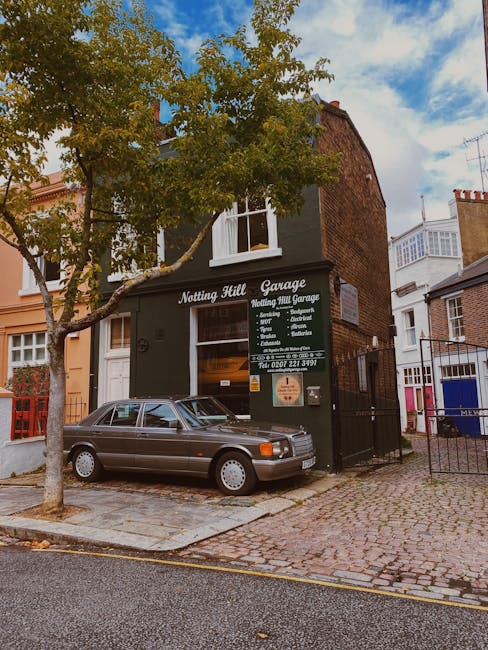
Pembridge Villas sits within a part of Notting Hill where access, footfall, property layouts, and street presentation all matter. That sounds obvious, but it changes how waste should be handled. A terrace, mansion block, or converted flat can have narrow hallways, limited front-space storage, and strict expectations about when bins are placed out. In that setting, waste is not just rubbish; it is part of how the building runs.
Bin day discipline keeps shared spaces orderly. Private clearance becomes important when items are too bulky, too frequent, too awkward, or too time-sensitive for normal municipal collection. If you are managing a refurbishment, a move, a tenant turnover, or a seasonal clear-out, waiting for the next bin day may simply not be practical.
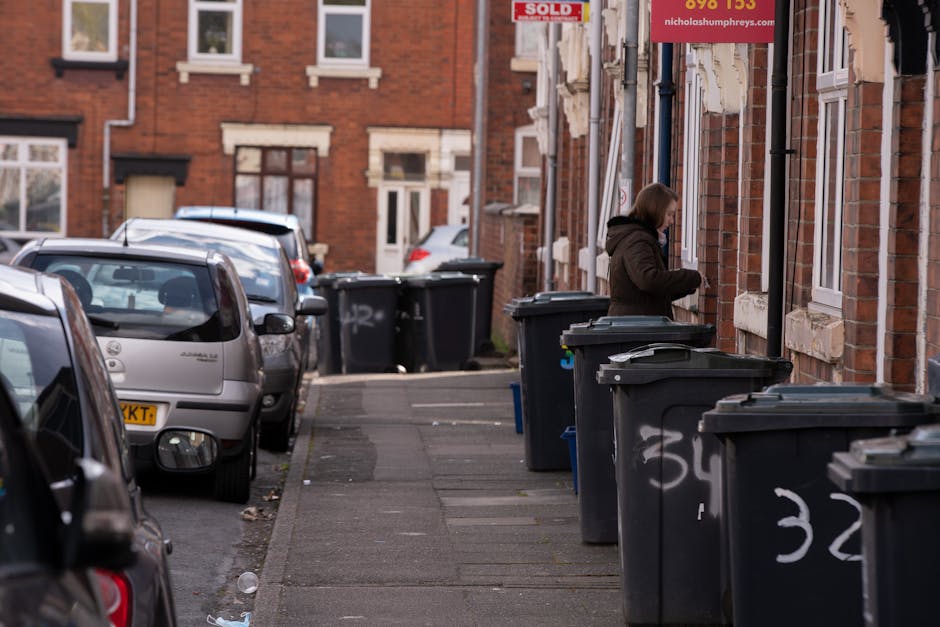
There is also a reputational side. In a street where presentation matters, a pile of cardboard, broken furniture, or bagged waste left out overnight can draw complaints quickly. That is especially true near busier local routes and residential pockets where people notice what is left on the pavement.
For a broader sense of the local setting and daily living realities in the area, see local living tips for Notting Hill and this guide to hidden gems in Notting Hill.
How Pembridge Villas: Bin Days, Private Clearance Tips Works
The simplest way to think about it is this: bin days handle routine household waste, while private clearance handles the exceptions. One is scheduled, repetitive, and designed for standard waste streams. The other is flexible, targeted, and built for items that need more than a wheelie bin.
Bin day arrangements are usually governed by the local collection schedule for your building or street, with separate containers or rounds for general waste, recycling, and food waste where applicable. In shared housing, the managing agent or landlord may also set internal rules about where bins are stored, who brings them in, and how contamination is avoided.
Private clearance works differently. A clearance team assesses what needs removing, how quickly it needs to go, whether it can be reused or recycled, and whether access requires extra planning. For example, a first-floor flat with a narrow staircase will likely need a different approach from a ground-floor shop with rear access.
That flexibility is useful, but it only works well if you prepare properly. The most efficient clearances are usually the ones where the resident or manager has already sorted items by type, confirmed what stays and what goes, and checked whether any items need special handling.
If you need a service that covers mixed domestic loads, larger furniture, or building-related debris, the pages for domestic waste collection in Notting Hill and waste clearance in Notting Hill are especially relevant.
Key Benefits and Practical Advantages
There are three clear advantages to getting bin days and private clearance right in a place like Pembridge Villas: less disruption, better presentation, and fewer avoidable costs.
- Less disruption: You avoid last-minute scrambles, missed collections, and awkwardly stored items in hallways or front gardens.
- Better presentation: A tidy street, entrance, or shared bin area is good for residents, guests, tenants, and prospective buyers alike.
- Fewer hidden costs: Correct sorting can reduce the time needed for removal and may prevent repeat trips.
- Safer access: Keeping walkways clear reduces trip hazards for residents, visitors, and contractors.
- Cleaner handovers: If you are selling or letting, a tidy clearance can make the property easier to inspect and photograph.
There is also an emotional benefit, though people rarely say it out loud: once the waste is properly handled, the property starts to feel manageable again. That matters when you are under time pressure. A clear space tends to make every next decision easier.
Where sustainability matters, choose providers that explain sorting and disposal clearly. The recycling and sustainability page is a sensible reference point if you want a more responsible approach to disposal.
Who This Is For and When It Makes Sense
This guidance is useful for a surprisingly wide group of people. You may only need it once or twice a year, but when you do, the stakes are real.
- Residents dealing with a flat clear-out, broken furniture, or a backlog of household rubbish.
- Landlords and agents preparing a property between tenancies.
- Homeowners who are decluttering ahead of works, sale, or winter storage.
- Trades and refurb teams needing help with builders' waste, packaging, and leftover materials.
- Small businesses with stock, fixtures, or office items that will not fit normal waste streams.
- Block managers who need to keep bin stores under control and residents informed.
It makes sense to move beyond bin day collection when the waste is bulky, mixed, time-sensitive, or likely to exceed what can be neatly left out for routine pickup. It also makes sense when access is awkward. A narrow staircase, a permit-heavy street, or a building with limited lift access can make private clearance far more efficient than waiting.
For readers comparing service types, the relevant options may include furniture removal, appliance disposal, and house clearance, depending on the load.
Step-by-Step Guidance
Here is a practical way to handle waste around Pembridge Villas without overcomplicating it.
- Check what type of waste you have. Separate general rubbish, recycling, bulky items, electricals, garden cuttings, and construction debris.
- Confirm the bin-day routine. If you live in a shared property, ask the building manager or landlord how bins are handled and where they should be placed.
- Decide what can wait and what cannot. Everyday waste can usually follow the normal collection cycle; bulky or urgent items should be prioritised for clearance.
- Measure access points. Check stair widths, lift availability, rear entry, parking restrictions, and loading space.
- Sort and pre-stack responsibly. Keep items grouped, but do not block communal routes or place waste where it may be blown, knocked, or wet.
- Ask for the right clearance type. A furniture pickup is not the same as a builders' waste job, and both differ from a full property clearance.
- Schedule with enough margin. Give yourself time before a move-out, end-of-tenancy inspection, or works start date.
- Confirm disposal expectations. Ask how reusable items, recyclables, and residual waste will be handled.
One useful habit is to photograph the items and the access route before booking. It sounds minor, but it helps avoid surprises on the day. A quick picture of the back door, stairwell, or basement entry can save a lot of back-and-forth.
If you are dealing with a larger cleanout, the dedicated pages for loft clearance and office clearance can help you match the job to the right service.
Expert Tips for Better Results
The best results usually come from planning around access, not just volume. In a street like Pembridge Villas, that can make the difference between a smooth collection and a frustrating one.
- Book around building rhythms. Avoid times when the entrance is busiest, contractors are already on site, or residents are likely to be coming and going.
- Keep recyclables clean and separated. Contaminated recycling often slows things down and reduces what can be recovered.
- Flag any awkward items early. Pianos, mirrors, unsafe broken furniture, and appliances often need special handling or extra manpower.
- Use the right service for the right material. Builders' rubble, garden waste, and domestic rubbish should not all be treated the same way.
- Plan for the last 10%. The final bag, the forgotten drawer contents, and the box in the cupboard are the bits that usually derail the schedule.
A calm, methodical clearance is almost always better than a heroic last-minute attempt. Truth be told, "I'll do it all the night before" is how many clearances become unnecessarily dramatic.
If you want to compare providers or understand what is included before confirming a collection, review the company's about us information and waste carrier licence and compliance details.
Common Mistakes to Avoid
Most waste problems on residential streets are not complicated. They usually come from a handful of repeated mistakes.
- Leaving items out too early: This can obstruct pavements, attract unwanted attention, or create complaints.
- Mixing all waste together: It makes sorting harder and can reduce recycling opportunities.
- Ignoring access issues: A van may not be able to stop where you think it will, especially in busy or restricted areas.
- Assuming everything can go in the bin: Bulky items, electricals, and hazardous materials often need separate handling.
- Booking the wrong service type: A small rubbish pickup may not be suitable for a full flat clearance, and vice versa.
- Forgetting communal responsibilities: In shared buildings, one resident's clutter can become everyone's problem.
There is also a softer mistake: not checking what can be reused, donated, or sold. Not every unwanted item is automatically waste. Sometimes the most efficient clearance is the one that removes only what truly needs removing.
Tools, Resources and Recommendations
You do not need fancy equipment to manage waste well, but a few basic tools make the process easier.
- Strong refuse sacks or clear bags for sorting
- Labels or marker pens for separating keep, recycle, and remove
- A tape measure for stairways, doors, and large items
- Gloves for handling dusty or sharp materials
- A phone camera for access photos and item lists
- Sturdy boxes for loose items, cables, and mixed household contents
For service planning, these pages can help you decide what is needed: rubbish collection for smaller mixed loads, furniture disposal for bulky household items, and builders' waste disposal for renovation debris.
If timing matters, the service overview from our partner site is also useful for understanding broad collection categories and next steps.
Law, Compliance, Standards, or Best Practice
Waste handling in the UK carries practical and legal responsibilities, especially for businesses, landlords, and anyone arranging removal of waste that is not their own household rubbish. The safest rule is simple: use a reputable operator, keep records where appropriate, and make sure waste goes to an authorised destination.
Private clearance should be carried out in line with general waste duty-of-care principles. That means waste should be handled responsibly, not fly-tipped, and not passed to an unlicensed third party. If you are commissioning work, it is sensible to ask about licensing, insurance, and what happens to recyclable materials.
For households, the main best practice is to avoid placing waste out in a way that blocks access or creates nuisance. For landlords and managing agents, the bar is higher: you need to think about tenant handover, communal storage, and how quickly bulky waste is removed after a vacancy.
Helpful trust pages include insurance and safety, terms and conditions, and the site's privacy policy if you are sharing contact details or booking information online.
Best-practice note: if a quote seems unusually low, ask what is included, what access assumptions were made, and whether disposal, labour, and loading time are all covered. Clarity upfront is always cheaper than confusion later.
Options, Methods, or Comparison Table
Choosing between bin day, ad hoc self-clearance, and private clearance depends on time, volume, and item type. The table below gives a practical comparison.
| Method | Best for | Pros | Limitations |
|---|---|---|---|
| Bin day collection | Routine household waste and standard recycling | No extra booking, predictable, simple | Limited capacity, strict timing, not suitable for bulky items |
| Self-clearance | Small quantities and local drop-off trips | Full control, can be low cost | Time-consuming, transport needed, disposal rules still apply |
| Private clearance | Bulky items, mixed loads, urgent removals | Fast, flexible, suited to awkward access | Cost varies, needs good planning and clear item lists |
| Specialist clearance | Builders' waste, appliances, office contents, or full house clearances | Better handling of specific waste streams | Must match the job to the correct service type |
In practice, many Pembridge Villas residents use a combination: bin day for everyday waste, private clearance for bulky items, and a specialist service when the job is larger or more technical.
Case Study or Real-World Example
Imagine a two-bedroom flat near Pembridge Villas after a tenant move-out. The ordinary bins are already near capacity because the building has had a busy week. The outgoing tenant has left a dismantled wardrobe, two broken chairs, several bags of mixed rubbish, and a small appliance that no longer works.
If you rely only on bin day, the items may sit in the flat for days or end up awkwardly staged in a communal area. That creates pressure on the next occupants, the cleaner, and the managing agent. If you try to move everything yourself, you may discover the stairwell is too tight for the larger pieces or that the van cannot stop conveniently outside.
A better approach is to separate the items into what can be recycled, what needs disposal, and what must be handled as bulky waste. Then book a private clearance that is sized for the job. If access is limited, share photographs beforehand. If the item list includes appliances or mixed materials, note that early. The collection becomes easier, the building stays orderly, and everyone involved has a clearer handover.
That is the practical value of planning around Pembridge Villas waste routines rather than treating all waste the same.
Practical Checklist
Use this checklist before any clearance or bulk disposal appointment.
- Confirm what waste needs removing
- Separate recycling from general rubbish
- Identify any electrical items or special materials
- Check bin-day timing for the property
- Measure doors, stairs, and access points
- Make sure communal routes stay clear
- Take photos of awkward items or entry routes
- Choose the correct service type
- Ask whether loading, labour, and disposal are included
- Keep confirmation details and arrival expectations to hand
Quick rule: if you are asking, "Can this just go out with the bins?", the answer is often "not safely, not neatly, or not efficiently."
Conclusion
Handled well, waste management around Pembridge Villas is straightforward. Bin days take care of regular household rubbish, while private clearance gives you the speed and flexibility needed for bulky, mixed, or time-sensitive items. The key is to match the method to the situation.
Do that, and you reduce clutter, protect shared spaces, and make life easier for everyone who uses the property. Whether you are a resident, landlord, agent, or business owner, the same principle applies: plan early, sort clearly, and use the right service for the load. That is how you keep a busy Notting Hill address running smoothly without turning waste into a bigger project than it needs to be.
If you are ready to move forward, compare your options, review the service details, and choose a collection plan that fits your property and timing.
Get a free quote today and see how much you can save.

 Tipper Van - Rubbish Collection and Garden Waste Disposal Prices in Notting Hill, W10
 Luton Van - Rubbish Collection and Garden Waste Disposal Prices in Notting Hill, W10