W11 Basement Declutter Job: Rubbish Removal Before & After
Posted on 07/09/2026
If you have ever opened a basement door in W11 and immediately felt that little drop in your stomach, you are not alone. Basements have a habit of collecting everything we mean to sort "next weekend": old furniture, damp cardboard, broken bits, paint tins, exercise gear, mystery boxes, and the occasional item nobody remembers bringing down in the first place. A W11 basement declutter job: rubbish removal before & after is about more than making a space look tidy. It is about reclaiming usable square footage, reducing risk, and turning a forgotten storage area into something that actually helps your home or property.
In this guide, we'll walk through what a basement clear-out really involves, what changes you should expect before and after, how the process works, and how to avoid the usual mistakes. We'll also cover practical planning, safety, compliance, and when it makes sense to bring in a professional team rather than wrestling with it yourself. To be fair, basement jobs are rarely glamorous. But the transformation can be very satisfying.
For readers looking to build a wider decluttering plan, it can also help to review a structured approach like these home decluttering steps, especially if the basement is just one part of a bigger reset.
Why W11 Basement Declutter Job: Rubbish Removal Before & After Matters
Basements are different from other rooms. They often hold a mix of storage, utilities, old possessions, and structural quirks such as low ceilings, narrow stairs, awkward access, and damp patches. That combination means clutter builds up fast and removal is usually more involved than simply carrying a few bags to the kerb.
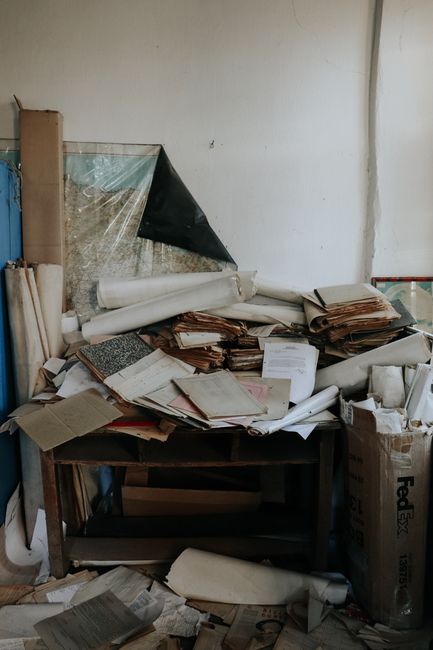
The "before" state is usually fairly predictable: tight walkways, stacked boxes, heavy items leaning at odd angles, and surfaces hidden under layers of unused stuff. The "after" is where the value shows. You get clear floors, safer movement, easier cleaning, and a proper view of the room itself. Suddenly you can inspect for damp, spot leaks, or decide whether the space is suitable for storage, a utility zone, or a full conversion later on.
There is also a practical property angle. In areas like W11, where homes can be compact at ground level but generous below stairs, a basement can be one of the most valuable parts of the building. If it is filled with obsolete clutter, you are sitting on space you cannot use properly. That is a bad trade, frankly.
Another reason it matters is emotional. Basements can become a kind of archive for half-finished decisions. The job is not just about rubbish removal; it is about finally closing the loop on things you do not need. That sounds a bit dramatic, but anyone who has done a serious clear-out knows the feeling. You open the door, breathe easier, and think: right, that's done.
If you are dealing with a wider property move or purchase in the area, it can help to see how basement clearance fits into the bigger picture of ownership. These local reads may also be useful: is Notting Hill a top living choice and the Notting Hill real estate buying guide.
How W11 Basement Declutter Job: Rubbish Removal Before & After Works
A good basement declutter job usually follows a simple sequence, though the physical work can be quite demanding. The aim is to sort what stays, what goes, and what needs special handling. Depending on the size of the space, access, and material type, the job may take anything from a couple of hours to a full day. Bigger or more complex clearances can take longer, especially where heavy items, builders' rubble, or damp-damaged materials are involved.
The process usually starts with a walk-through. This is where the team assesses access, volume, and hazards. Basements often have limited light, so it is easy to underestimate how much waste is actually there. Once the load is understood, items are grouped: reusable goods, recyclable material, general waste, bulky furniture, and anything that needs cautious handling. In a real basement, that sorting stage makes a huge difference. It is the difference between chaos and control.
Removal itself needs care. Stairs can be steep, turning space may be tight, and some items absorb moisture and become heavier than expected. Cardboard, old textiles, and stored papers can also hide mould, dust, or pests. Not ideal. A calm, methodical approach keeps the job safe and avoids unnecessary damage to walls, banisters, or flooring.
After removal comes the tidy-up. This is where the transformation becomes obvious. You can see the floor again. Light reaches corners that were blocked before. Air moves better. The room feels bigger because, quite simply, it is bigger.
For more on how rubbish clearance is handled across the area, see the services overview and rubbish collection in Notting Hill.
Key Benefits and Practical Advantages
The obvious benefit is having less mess. But the real value of a basement declutter job goes deeper than that. Here is what people usually notice after the clearance:
- Better usable space: Even if you only use the basement for storage, a clear floor makes organisation far easier.
- Improved safety: Fewer trip hazards, fewer unstable stacks, and easier movement on stairs and landings.
- Cleaner air and surfaces: Old clutter tends to hold dust. Sometimes a lot of it.
- Reduced damp risk confusion: Once clutter is removed, it is much easier to spot leaks, condensation, or signs of water ingress.
- Faster future access: Seasonal items, records, or tools can be retrieved without moving half the room.
- Better property presentation: If you are selling, renting, renovating, or simply improving the home, the before-and-after change is easy to notice.
There is also a mental benefit that people often underplay. A basement that has been sitting as a dumping ground creates a low-level sense of unfinished business. Once it is cleared, the whole house can feel calmer. Not dramatic, just true. You walk past the door and no longer think, "I really must deal with that."
And if some of the clutter is mixed with renovation waste or old fixtures, a dedicated disposal route may be more appropriate. In that case, a page like builders' waste disposal in Notting Hill can be useful context.
Who This Is For and When It Makes Sense
A basement declutter job is a good fit for several different situations. Homeowners often need it after years of gradual accumulation. Landlords need it between tenancies or after long-term storage has gone wrong. Property buyers may inherit a basement packed with items left behind. Small businesses and mixed-use properties can also end up with basement stockrooms that have quietly become waste zones.
It makes sense when the room is:
- too full to inspect properly
- hard to access safely
- holding items with no real value or future use
- affected by damp, mould, or damage
- needed for a new purpose such as storage, utility equipment, or refurbishment
Sometimes people delay because they think the job is "not that bad." Then they remove one corner and realise it is, in fact, a bigger task than expected. Happens all the time. The trick is to be honest about volume and access before you start lifting.
If your basement sits within a wider house clearance situation, it can be worth comparing the job to a more complete property tidy. This local page on house clearance in Notting Hill may help you judge scope.
Step-by-Step Guidance
Here is a straightforward way to approach a basement declutter job without losing momentum halfway through.
- Start with a quick visual survey. Look at what is there, where the tight spots are, and whether anything looks damaged, damp, or unsafe.
- Set sorting zones. Create separate areas for keep, donate, recycle, and remove. If the basement is tiny, even a few labelled bags or boxes can help.
- Remove obvious rubbish first. Broken packaging, torn bags, unusable junk, and damaged household items go first because they free up the most visual space.
- Deal with bulky items next. Old furniture, broken shelving, mattresses, and large storage pieces usually need the most thought and muscle.
- Check for special waste. Paint, chemicals, sharp objects, and electrical items should be separated carefully.
- Sweep and inspect. Once the floor is visible, check for damp patches, cracks, pests, or anything that needs follow-up.
- Plan the final removal route. Make sure the path from basement to exit is clear before carrying items up. No point doing extra work because the hallway is blocked.
- Finish with a reset. Put back only what has a real use, and store it neatly so the space stays useful.
That final step is often where the "after" becomes permanent. Otherwise, the room slowly drifts back to square one. A few months later the same old pile quietly returns. Basement clutter is sneaky like that.
Expert Tips for Better Results
A few small decisions can make a basement clearance far more efficient.
- Work from the entrance inward. It prevents you from trapping yourself in the back corner.
- Use stronger sacks than you think you need. Damp paper, old fabric, and mixed waste get heavy quickly.
- Keep one box for "unsure" items only. Too much hesitation slows everything down.
- Photograph before and after. Useful for records, landlord updates, or simply measuring progress.
- Check for infestation signs early. Droppings, gnaw marks, or a musty smell should be dealt with properly.
- Protect the stairs. Basements often have the most awkward exits, so padding or careful carrying matters.
A practical little habit that helps: pause after each load and look back at the space. The visual reward keeps you going. It sounds trivial, but motivation is part of the job. One corner clear can carry you through the rest.
If the work involves overflow waste after a renovation, you may also find this shop refurb rubbish clearance case study relevant in tone and approach, even if your project is domestic rather than commercial.
Common Mistakes to Avoid
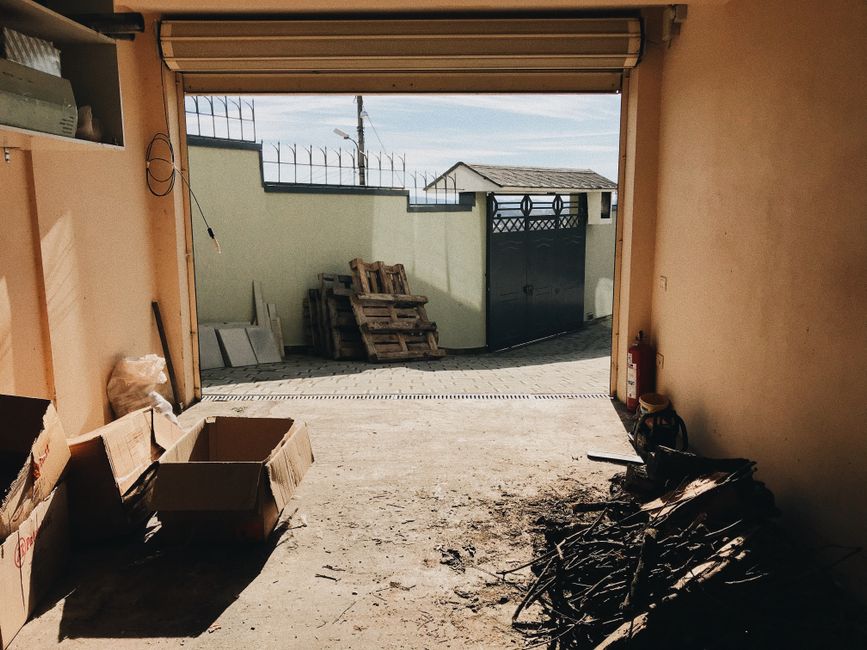
Basement clear-outs go wrong in predictable ways. The biggest mistake is underestimating the volume. A few stacked piles can hide a surprising amount of waste behind them, especially if items have been building up for years.
Another common issue is skipping sorting and just moving everything into another part of the house. That is not decluttering. That is temporary relocation, which is a very different sport. You will notice the difference on day two when the hallway is full again.
Other mistakes include:
- lifting heavy items without checking weight or stability
- ignoring damp or mould signs while clearing
- mixing recyclable material with general waste
- leaving sharp objects or broken glass loose in bags
- forgetting access constraints like narrow stairs, low beams, or poor lighting
- failing to think about disposal routes before the pile is already at the door
There is also a timing mistake: starting the job when you are already exhausted, rushed, or expecting to "just get it done in an hour." Basement work usually punishes that optimism. Better to plan properly and finish once.
Tools, Resources and Recommendations
You do not need a huge toolkit, but the right basics help a lot. Good gloves, dust masks where needed, sturdy sacks, a torch or headlamp, label stickers, and a broom are all sensible starting points. For larger jobs, a sack truck or sturdy dolly can save your back and your mood.
Depending on the contents, you may also need separate containers for:
- paper and cardboard
- metals
- electrical items
- wood and furniture
- general mixed waste
If you are dealing with household overflow, some people prefer to first review a broader clear-out strategy and then tackle the basement as part of the home reset. A useful companion read is the decluttering steps guide. It keeps the process from feeling random.
For local service planning, it also helps to understand the difference between collection and disposal approaches. The pages on waste removal in Notting Hill and recycling and sustainability are relevant if you want to make better disposal choices, not just clear space quickly.
Law, Compliance, Standards, or Best Practice
Basement decluttering in the UK is not usually complicated from a legal standpoint, but there are still sensible rules to follow. Household waste, electrical items, paint, and potentially hazardous materials need proper handling. You should not leave waste in a way that causes obstruction, nuisance, or fly-tipping risk. And if a clearance team is used, you want to be confident the waste is being dealt with responsibly.
In practice, this means keeping an eye on three things:
- Duty of care: Waste should be transferred to a legitimate carrier and not dumped somewhere unofficial.
- Segregation: Hazardous or specialist items should be separated from general waste where appropriate.
- Site safety: Access routes, stairs, and storage areas should be managed to reduce risk of injury or property damage.
Where possible, keep paperwork or notes about what was removed and when. That is especially useful if you are a landlord, managing an estate, or dealing with a pre-sale property clean-up. If you are comparing clearance routes, the article on council bulk pickup versus private clearance is a sensible place to start.
For properties where access or loading is awkward, permits or local rules may come into play. The page on RBKC rubbish rules for Notting Hill is a useful reminder to plan ahead and avoid unnecessary fines or delays.
Options, Methods, or Comparison Table
There is more than one way to handle a basement declutter. The right choice depends on volume, access, urgency, and what type of waste you have.
| Method | Best for | Pros | Limitations |
|---|---|---|---|
| DIY clear-out | Small, light, well-sorted basement clutter | Low upfront cost, full control | Time-consuming, physically demanding, disposal still needs planning |
| Partial support | Mixed jobs where you sort first and remove heavy items separately | Useful compromise, less strain | Requires good organisation and multiple disposal arrangements |
| Professional rubbish removal | Bulky, heavy, urgent, or awkward-access basement jobs | Fast, efficient, less lifting, more predictable outcome | Cost is higher than doing it yourself |
For many W11 basements, the practical answer sits between DIY and full professional help. If the room contains mostly lightweight clutter, you may sort it yourself and then book collection. If the space is full of heavy furniture, damp items, or mixed waste, a direct clearance is usually cleaner and less stressful.
One other thing: if the basement is part of a broader refurbishment or property prep project, you may also want to review emergency rubbish removal in W11 for situations where timing is tight.
Case Study or Real-World Example
Here is a realistic example based on the kind of basement jobs people often request in W11.
A homeowner inherits a basement that has become a holding area for old chairs, broken storage crates, damp boxes of books, leftover decorations, and a few stripped-down shelving units. The room is dark, the path to the stairs is blocked, and the smell is slightly musty. Nothing dramatic, just neglected long enough to become awkward.
The clear-out begins with the light, obvious waste: packaging, torn bags, and damaged cardboard. Then the team moves to the bulky items, splitting what can be recycled from what needs general disposal. A couple of things are kept aside because they are genuinely useful. Most are not.
Before removal, the basement feels smaller than it really is. Afterward, the floor is visible again. The owner can see the brickwork, notice a patch of moisture that had been hidden behind boxes, and plan simple storage instead of chaotic stacking. The result is not just visual. It changes how the space functions.
That is the real before-and-after effect people are usually looking for. Not perfection. Usability. A room that is no longer fighting you.
For readers who are moving into or improving property in the area, the local context matters too. Articles such as acquiring property in Notting Hill and the Notting Hill neighbourhood guide give useful colour if the clearance is tied to a purchase or move.
Practical Checklist
Use this quick checklist before you start:
- Check access from basement to exit
- Turn on proper lighting or bring a torch
- Wear gloves and sturdy footwear
- Separate keep, donate, recycle, and remove piles
- Identify anything sharp, wet, mouldy, or hazardous
- Measure bulky items if stairs or corridors are tight
- Clear a loading path before lifting heavy pieces
- Have sacks, boxes, tape, and labels ready
- Plan the disposal route before the room is full of sorted piles
- Finish with a sweep and a final moisture check
If you want a more organised way to work through the whole home, the broader decluttering article linked earlier is a good companion. It keeps the basement job from becoming a one-off scramble.
Conclusion
A W11 basement declutter job is one of those projects that looks simple from the outside and then quietly turns into a serious piece of work. But the payoff is real. Once the rubbish is removed, the space becomes safer, cleaner, and far easier to use. You get your floor back. You get your options back. And sometimes, if we're honest, you get a bit of peace back too.
The best before-and-after results come from good sorting, realistic planning, and respect for the awkward bits: stairs, damp, weight, and waste type. Whether you do part of the job yourself or bring in help, the goal is the same. Make the basement useful again, not just empty.
Get a free quote today and see how much you can save.
When a basement stops being a burden and starts being a space again, the whole house seems to breathe a little easier. That is a good feeling, and worth the effort.
 Tipper Van - Rubbish Collection and Garden Waste Disposal Prices in Notting Hill, W10
 Luton Van - Rubbish Collection and Garden Waste Disposal Prices in Notting Hill, W10